The West
Side
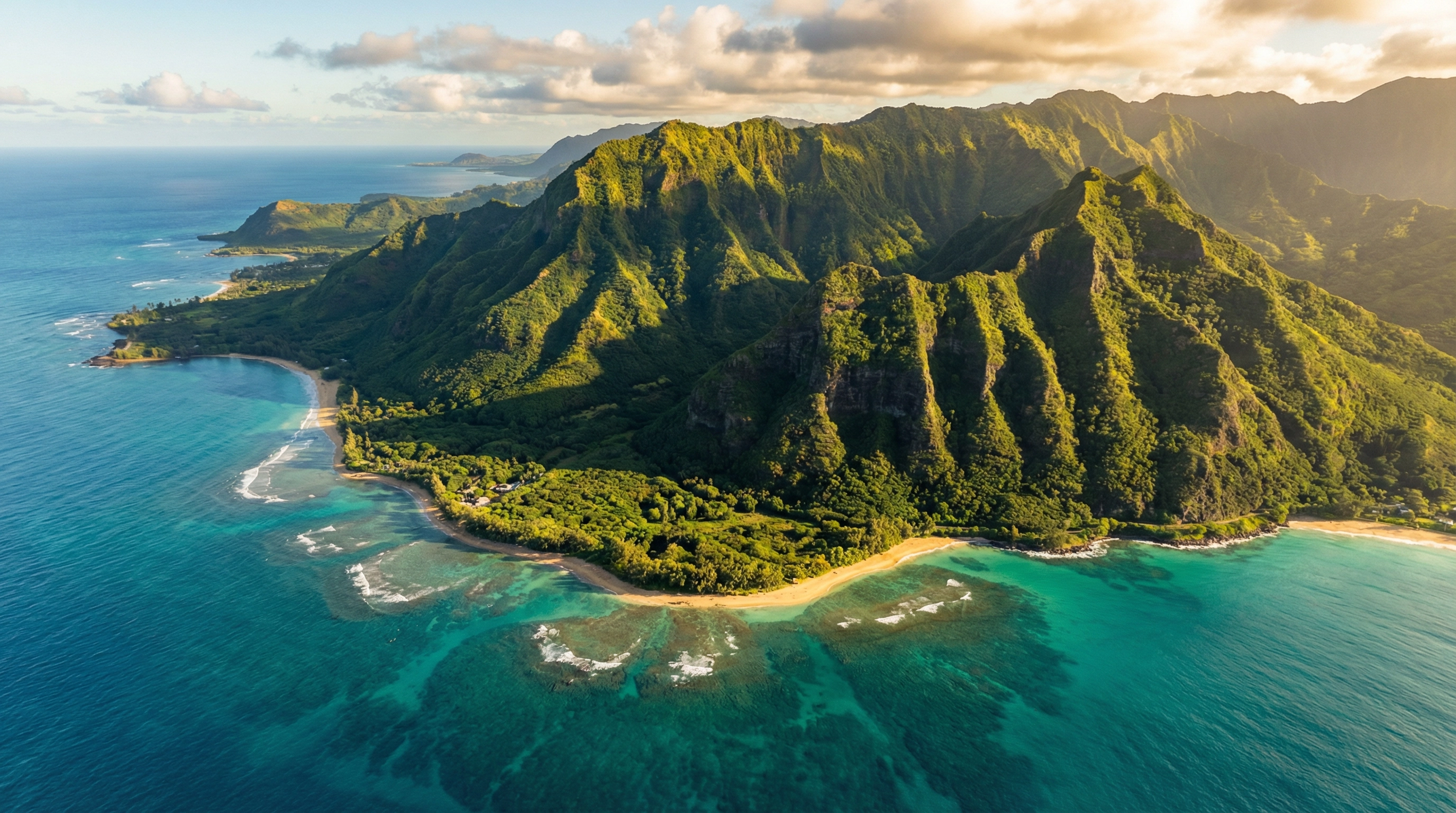
Where the mountains meet the sea. Where the sunsets are legendary. Where the beaches are empty and the living is slow.
Forget Everything You Think You Know About O'ahu
Most visitors to O'ahu never make it past Waikiki. They see the high-rises, the crowds, the tourist traps, and they think that's Hawai'i. They're wrong.
Drive 45 minutes west along the Farrington Highway and the island transforms. The high-rises disappear. The crowds thin. The mountains grow taller and more dramatic, their ridges cutting sharp lines against impossibly blue skies. And then you see it: mile after mile of pristine, empty coastline stretching toward the horizon.
This is the West Side. This is where locals come to escape. Where surfers chase legendary waves at Mākaha Beach. Where dolphins play in the morning and humpback whales breach offshore in winter. Where every single evening ends with a sunset so spectacular it stops you in your tracks.
Last updated: September 2026
The Best Sunsets
on the Island
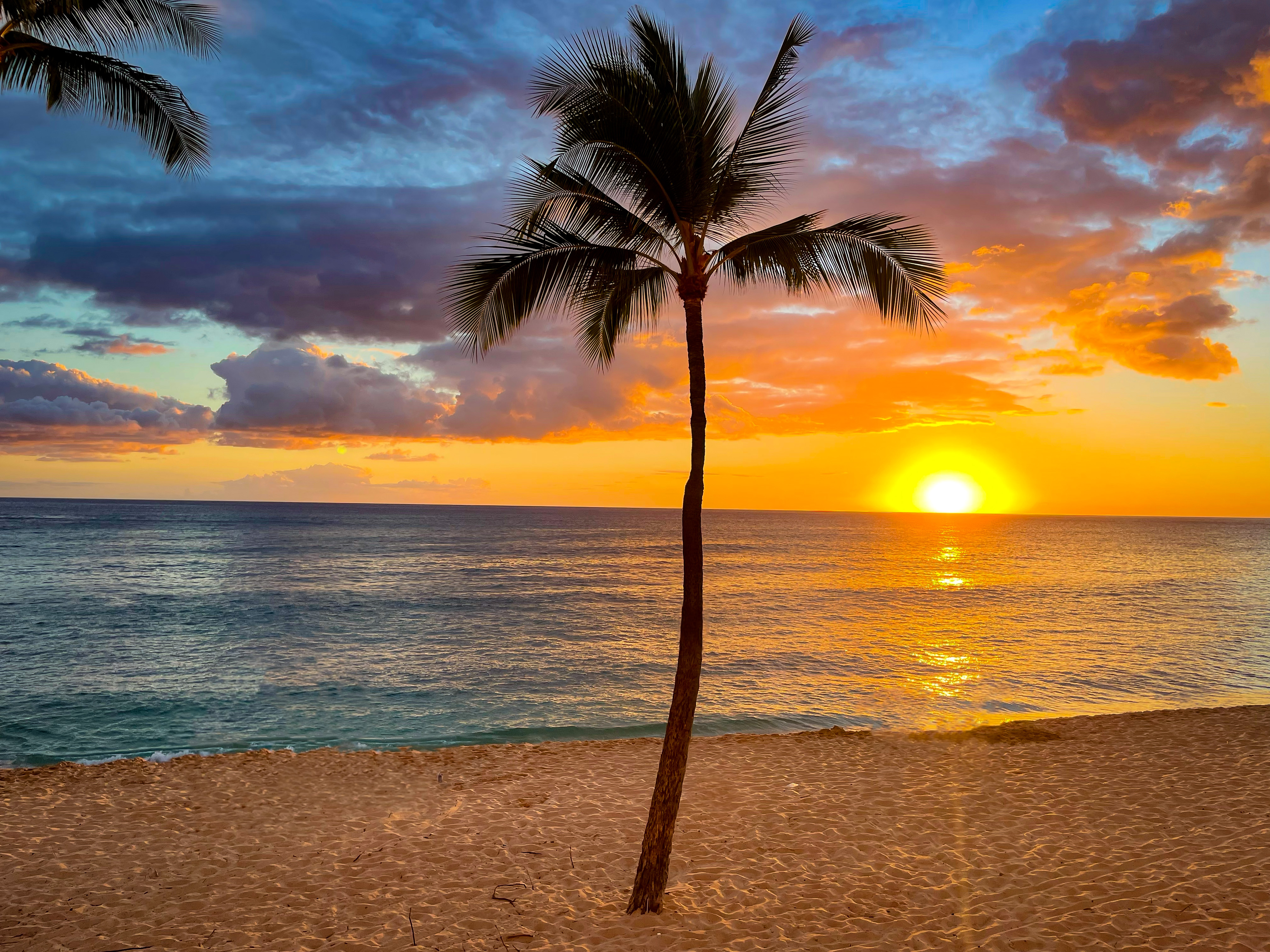
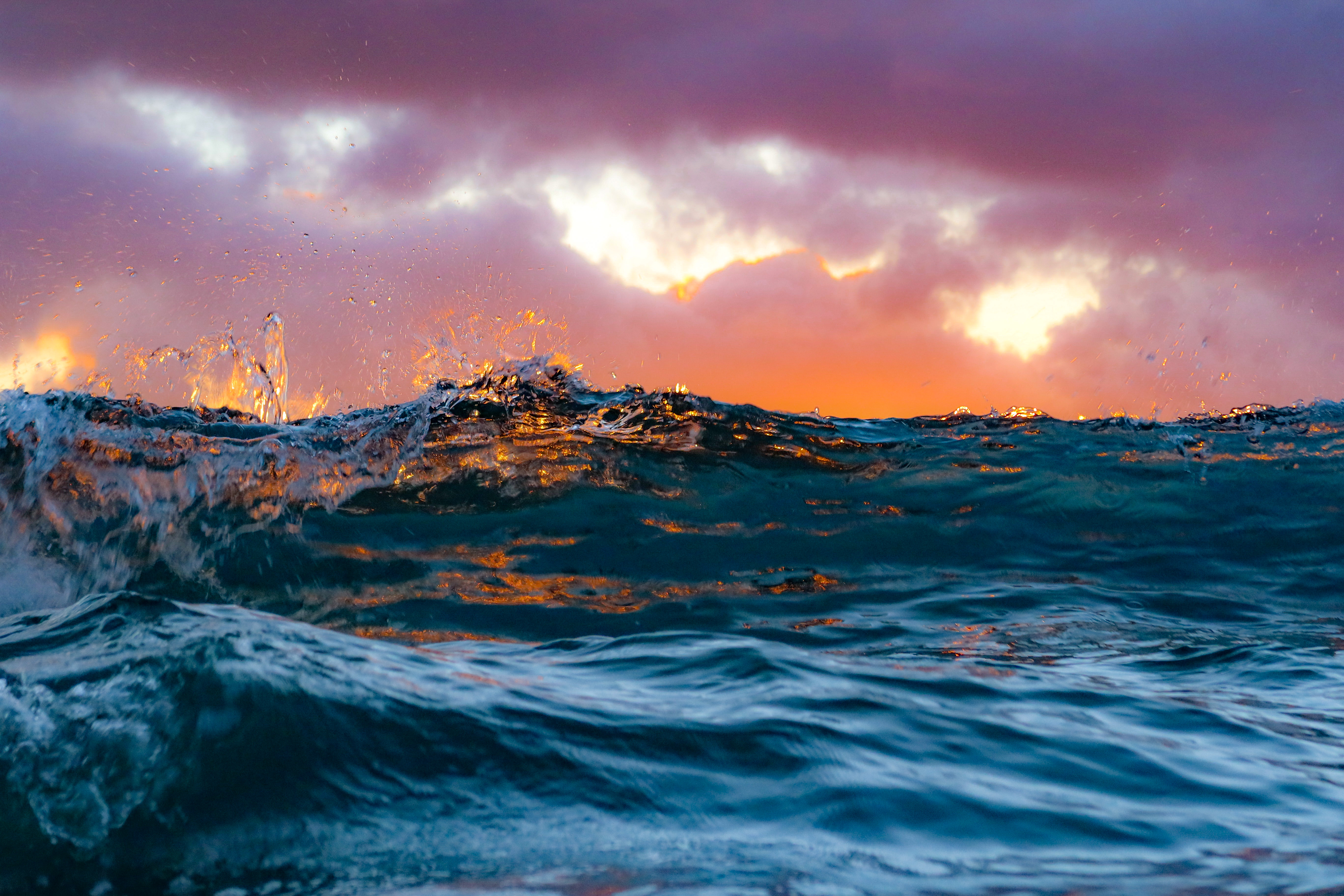
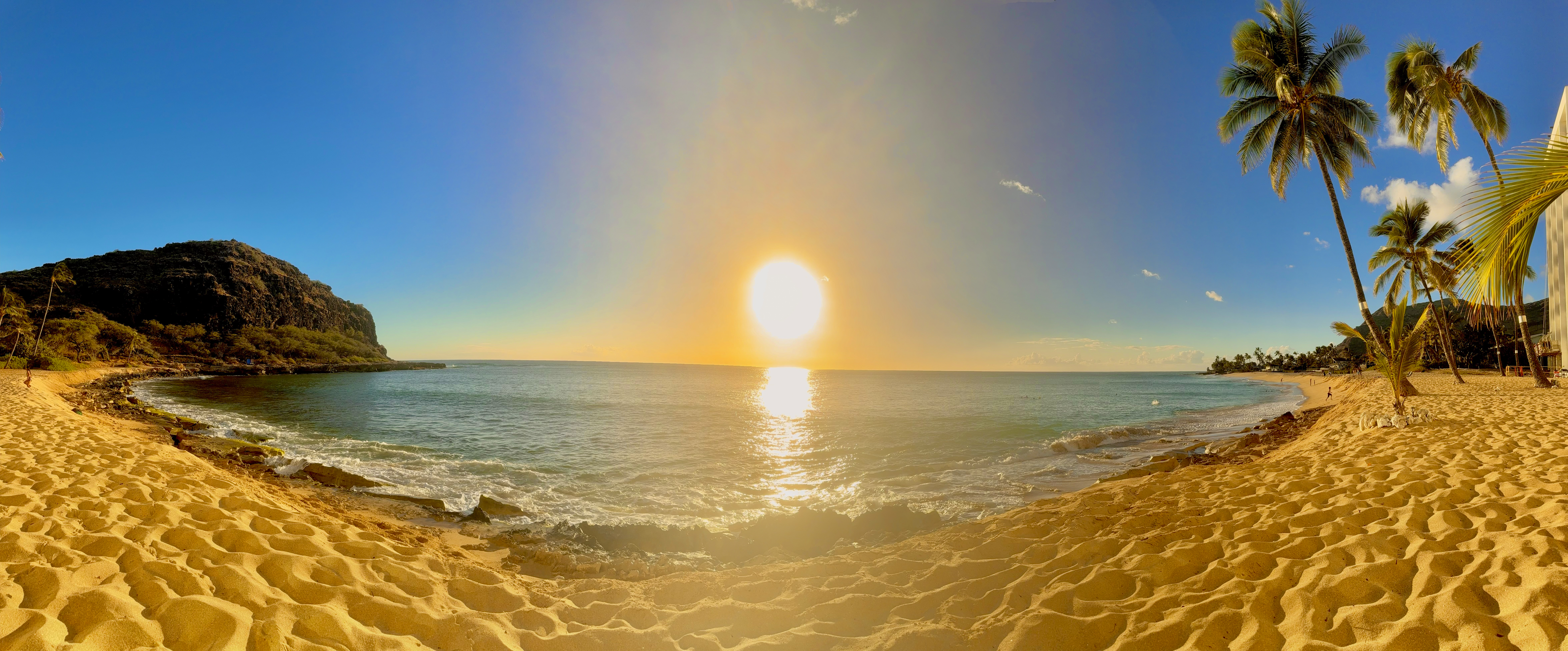
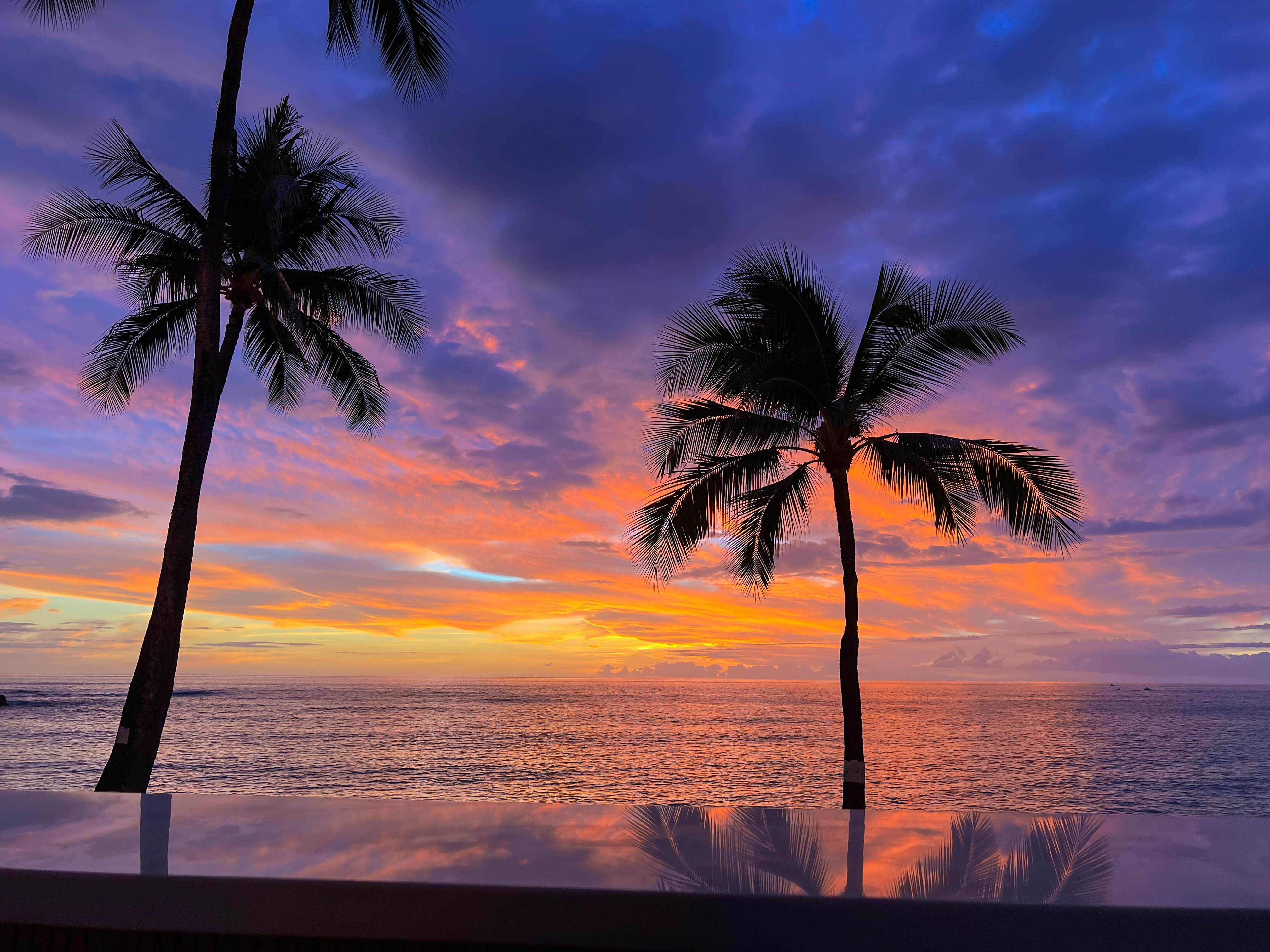
The West Side faces directly into the setting sun. There are no buildings, no islands, nothing between you and the horizon but open ocean. Every evening, the sky erupts in shades of amber, coral, and violet that reflect off the water in every direction. From your balcony at Mākaha Beach Cabanas, you have a front-row seat to nature's most spectacular show.
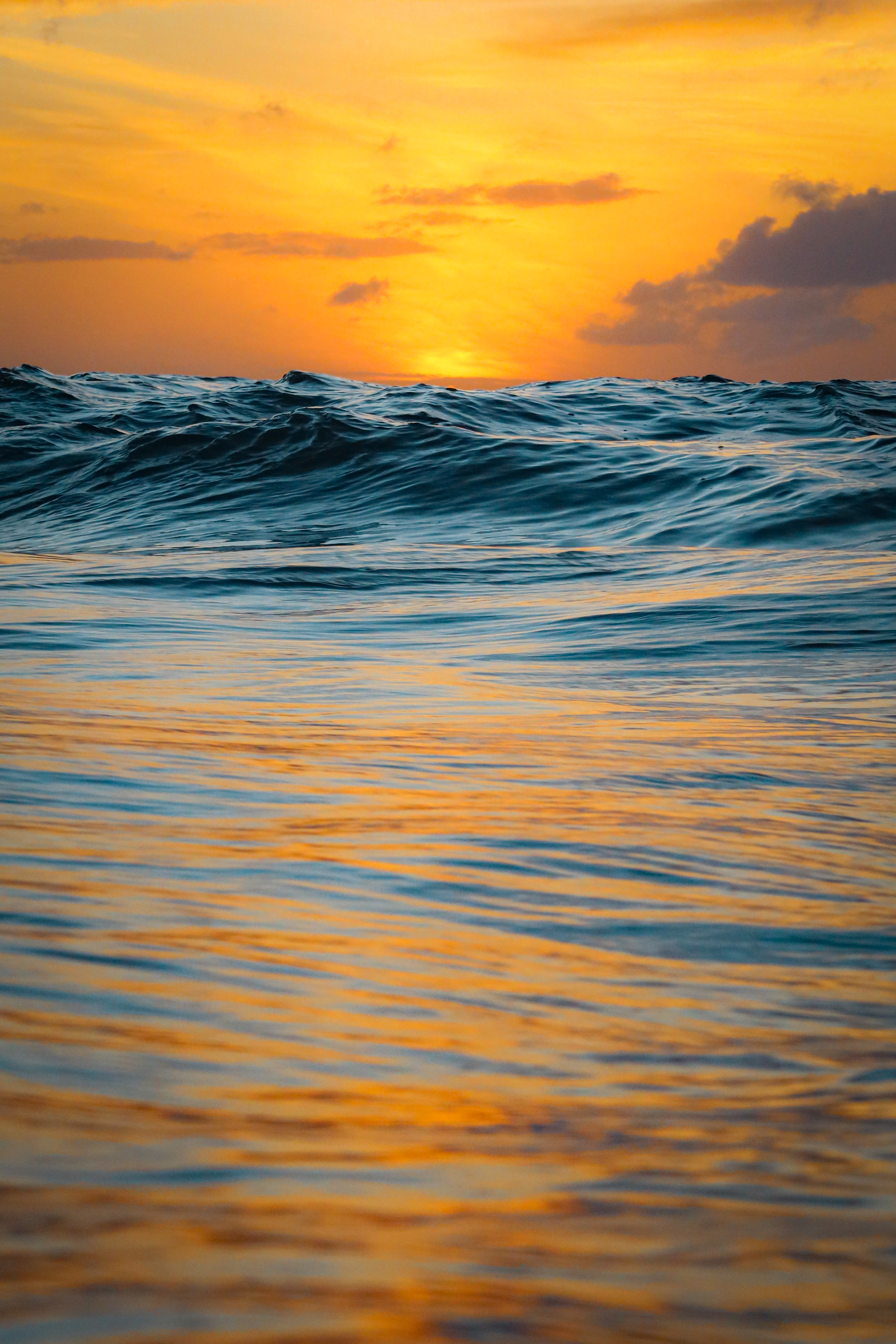
A Mākaha sunset in motion, filmed from Paponeone Beach
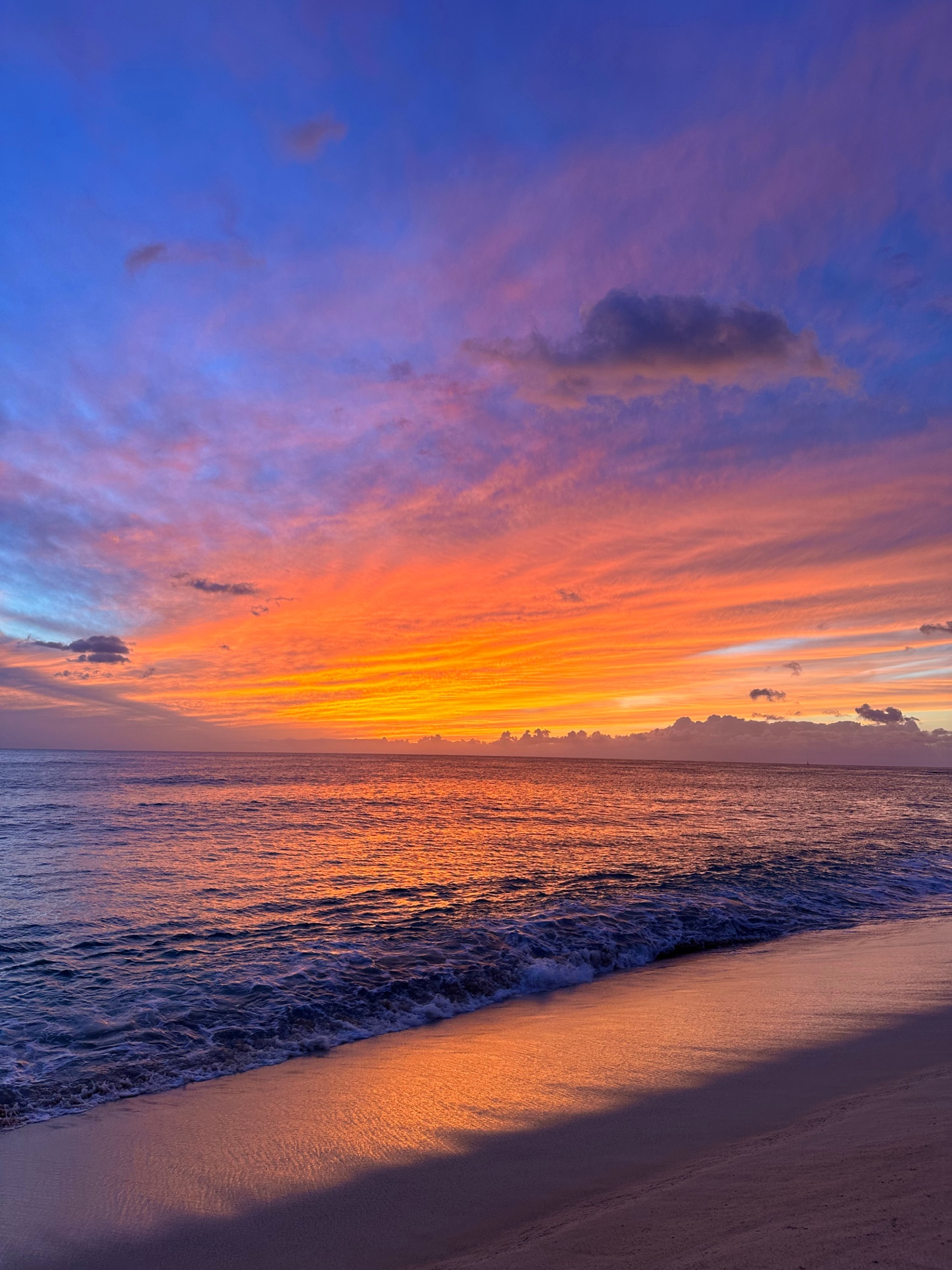
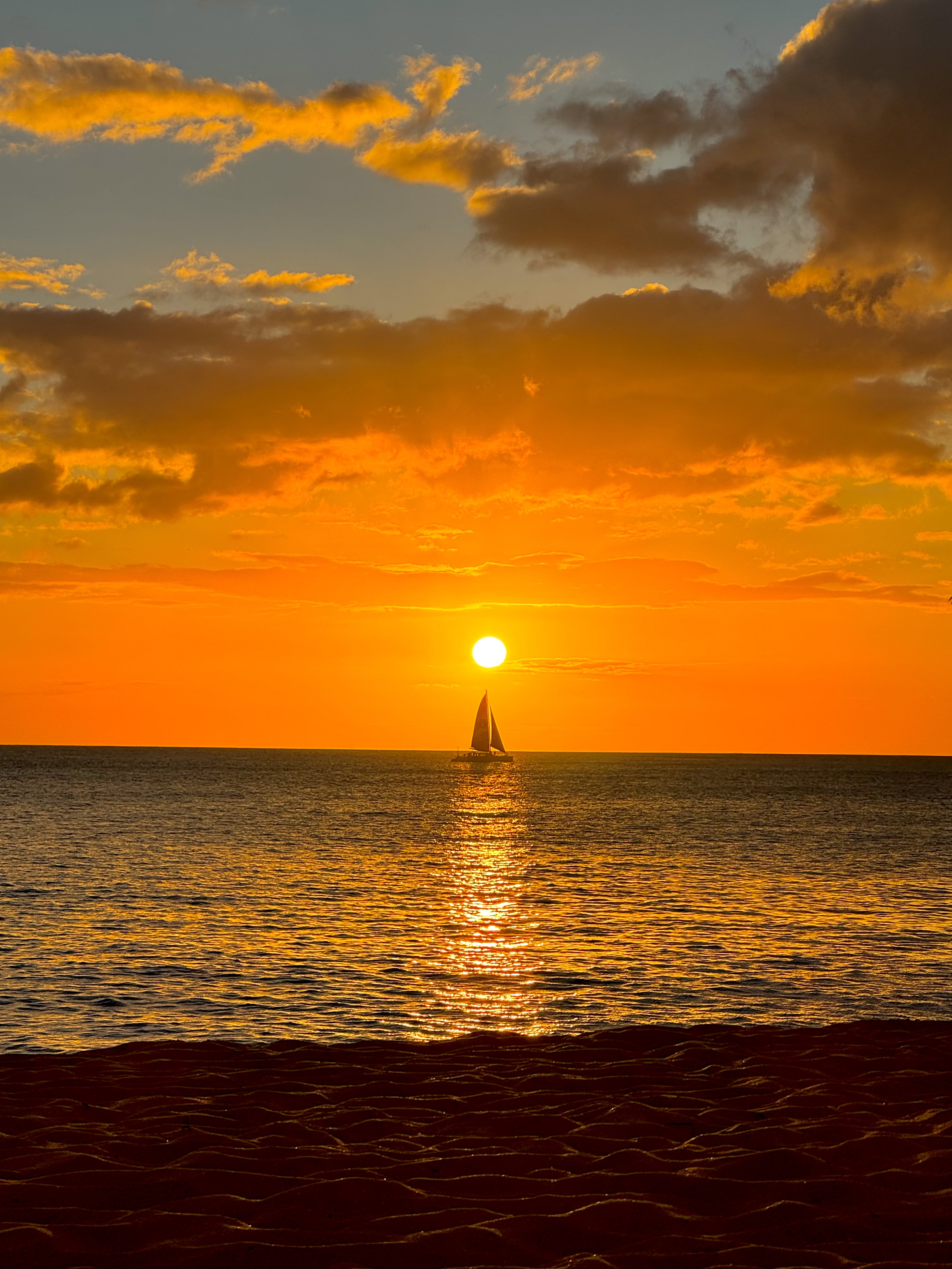
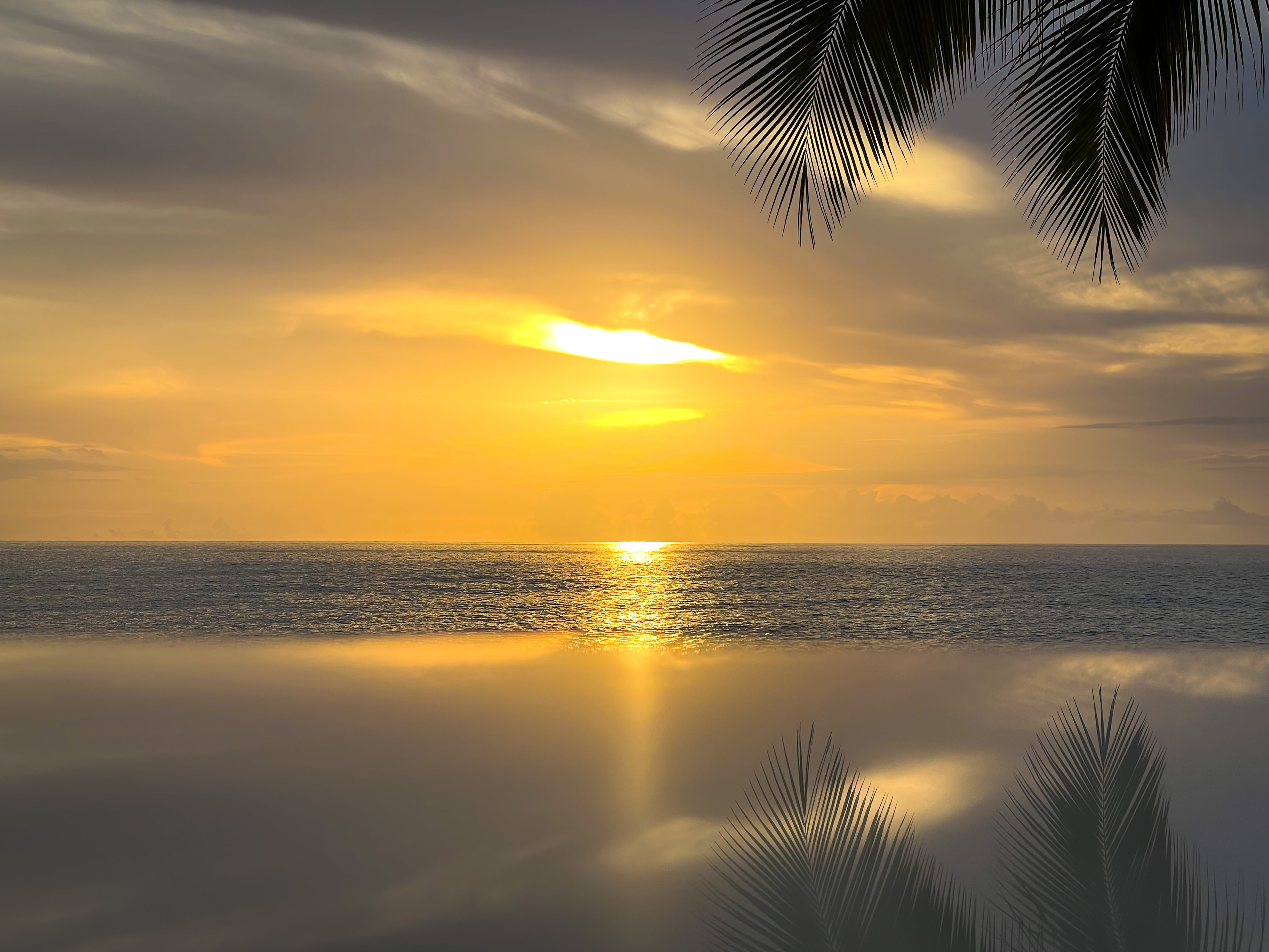
No two evenings are the same. Here are just a few of the sunsets we've witnessed from Paponeone Beach.
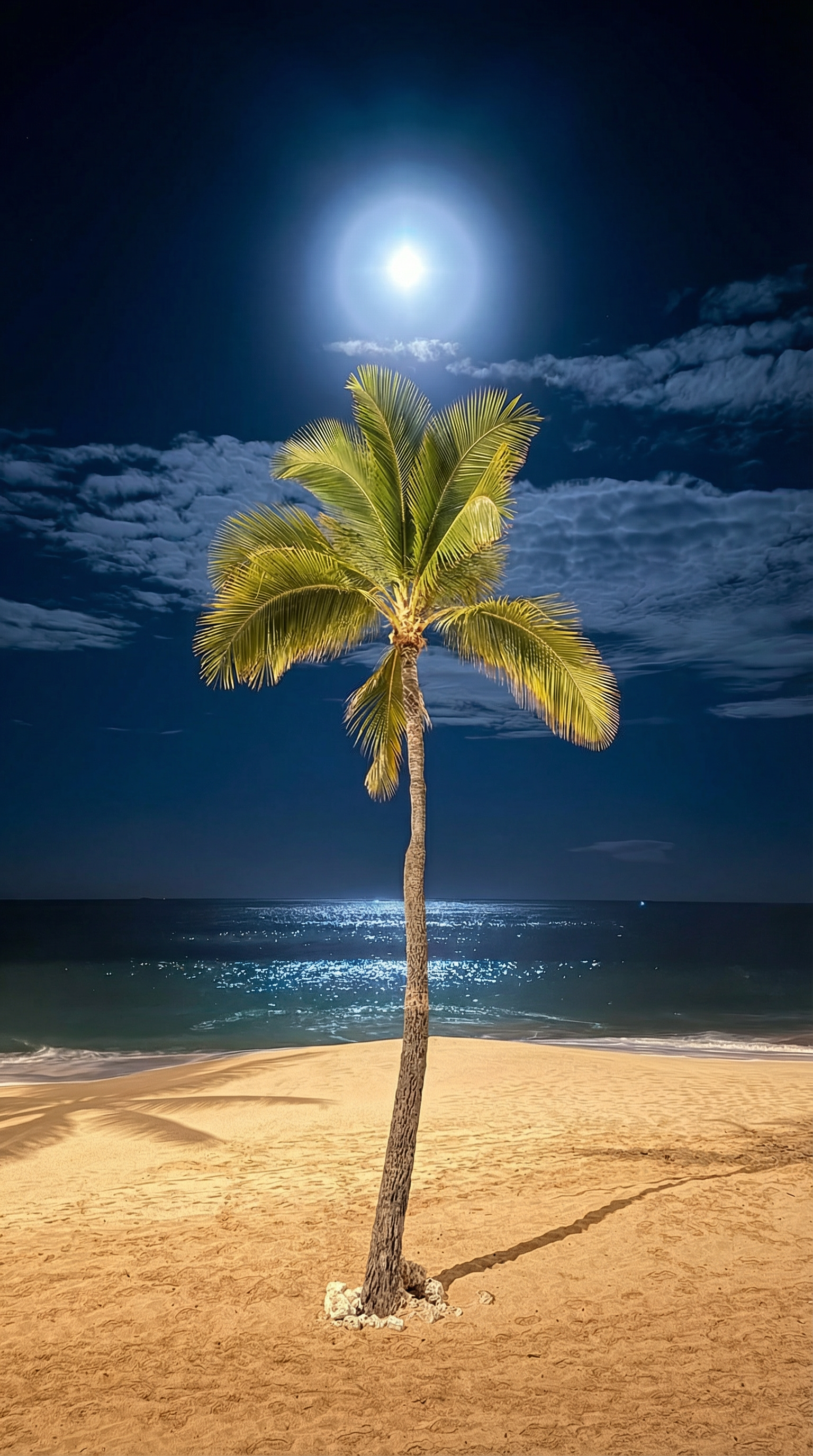
Moonsets Over the Ocean
Here's something most people never experience: watching the full moon set over the Pacific Ocean. On the West Side, the moon descends into the sea just as the sun does, a silver disc melting into the water at dawn. It's a sight that stays with you forever, and it happens right outside your window.
On clear nights, the moonlight paints a silver path across the ocean that stretches from the horizon to the shore. Sit on your lanai with a glass of wine and watch the sky transform from deep indigo to soft lavender as the moon makes its descent.
Your Private Paradise
Beaches That
Belong to You
Drive just a few minutes north of Mākaha and you'll discover beaches that feel like they belong to another era. No resorts. No vendors. No crowds. Just pristine sand, crystal-clear water, and the sound of waves. These are the beaches where you can walk for a mile and never see another person. Where the shells are unbroken, the coral is untouched, and the tumbled sea glass catches the light.
Yokohama Bay
O'ahu's most remote beach, 15 min drive
Secret Beaches
Hidden coves with shells, coral & sea glass
Ka'ena Point
Sacred wilderness at the island's tip
Pink Pillbox
Iconic coastal hike with panoramic views
This Is What Home Looks Like
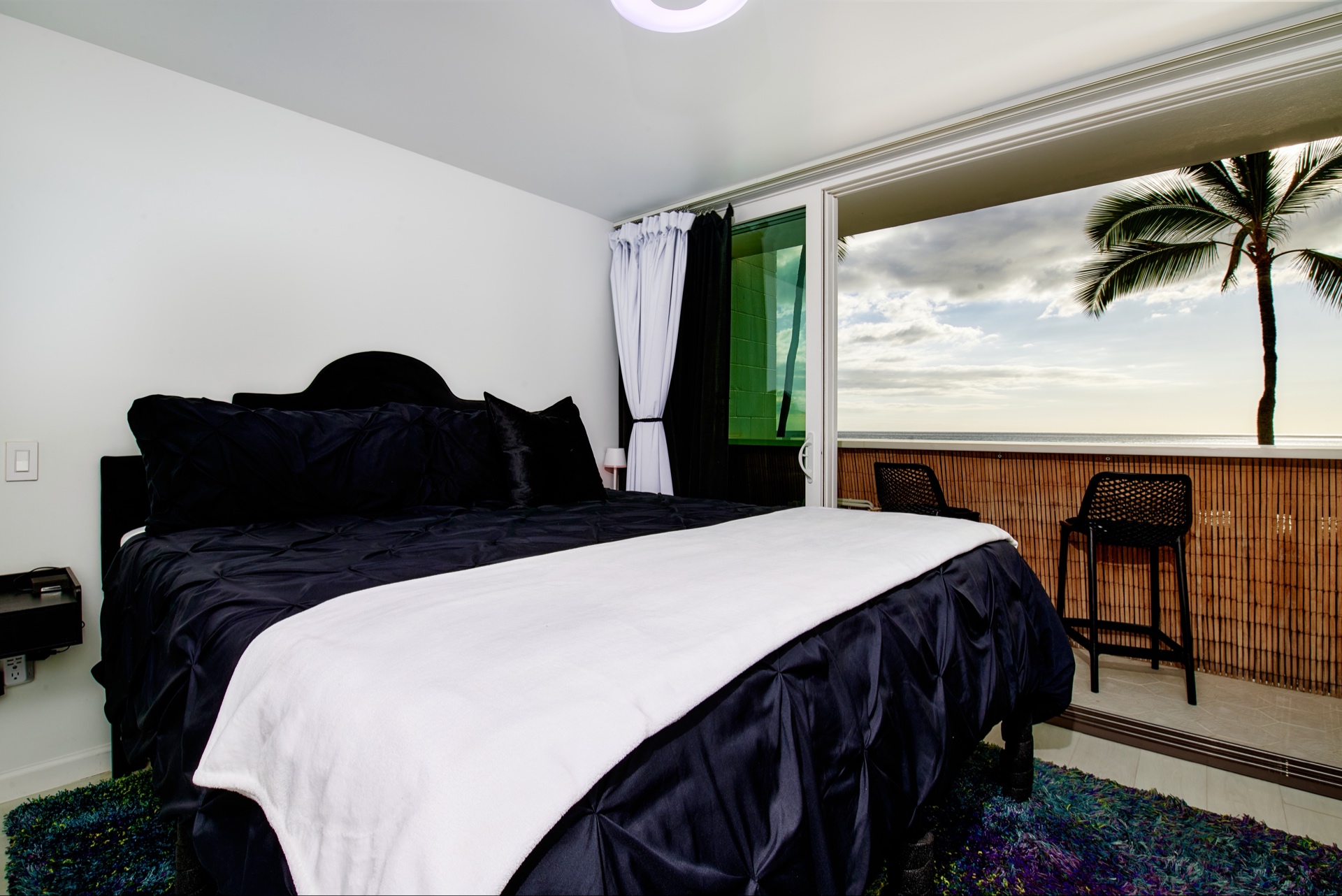
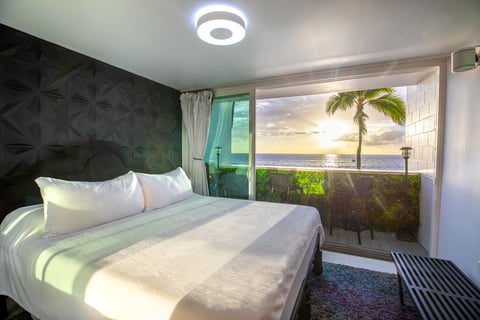
Wake up to the sound of waves. Watch dolphins from your lanai. Let the sunset paint your living room gold. This isn't a vacation. It's a way of life.
 Morning light
 Golden hour
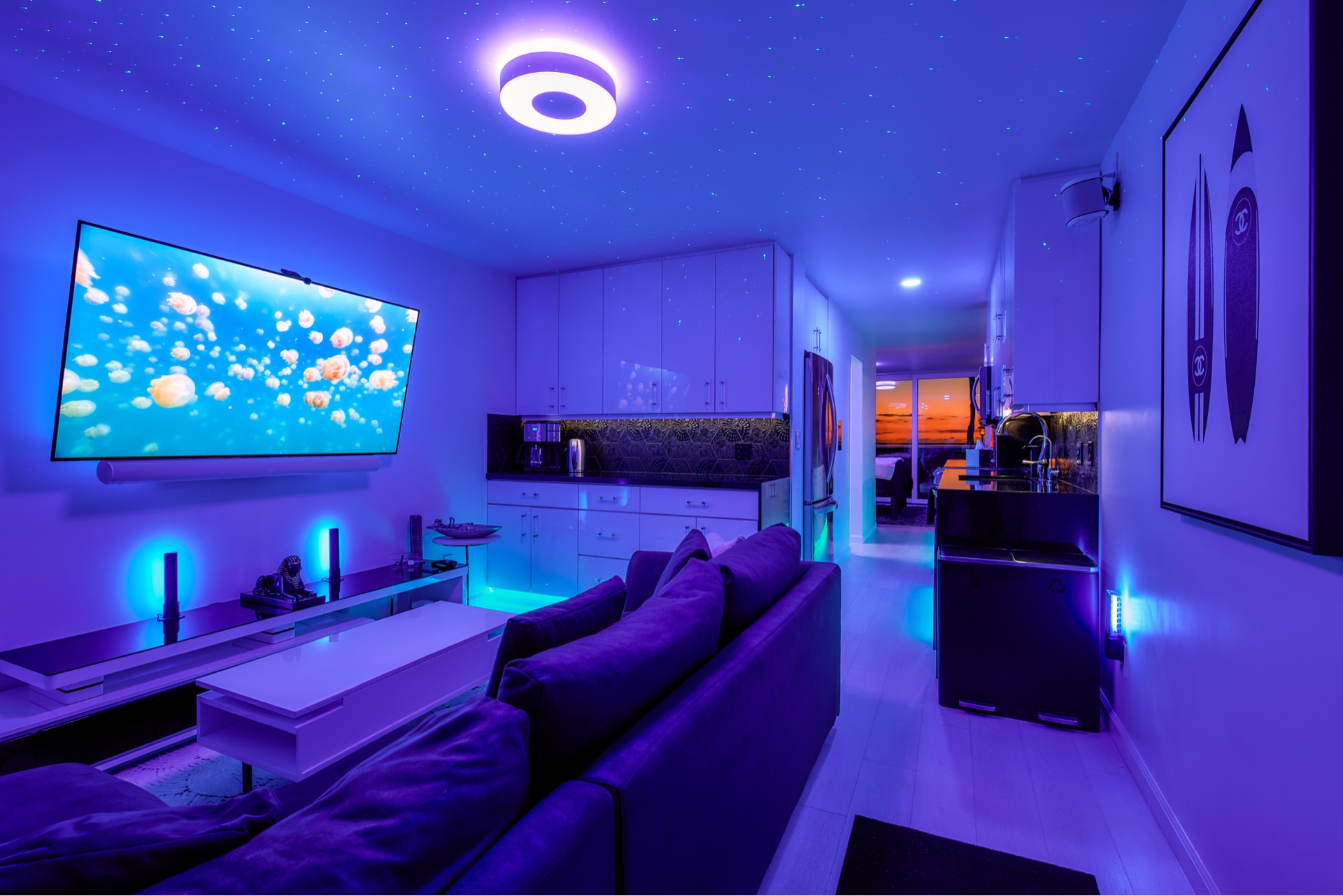 Night vibes
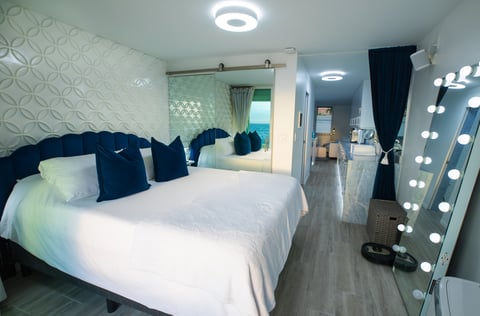 Ocean dreams
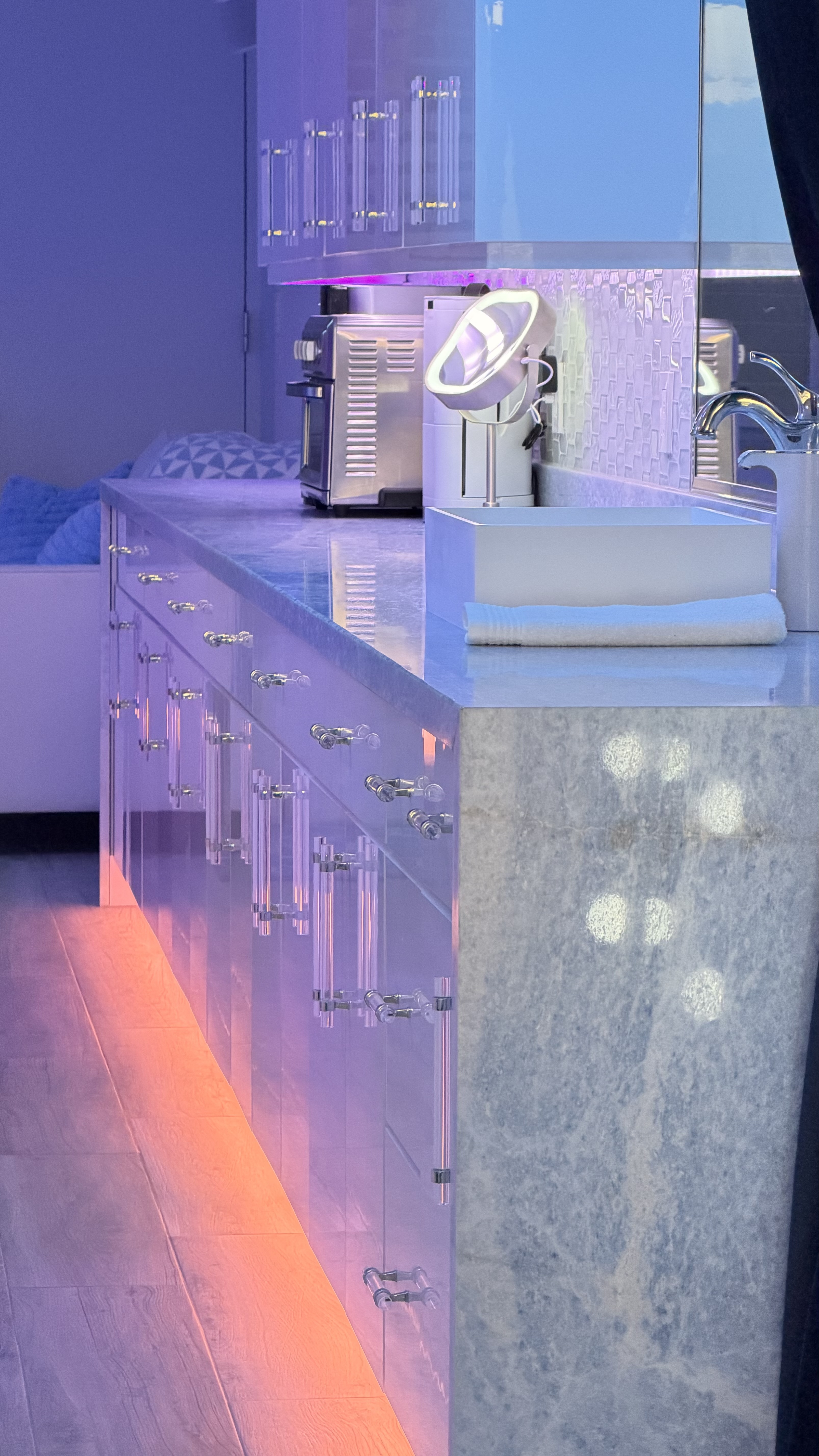
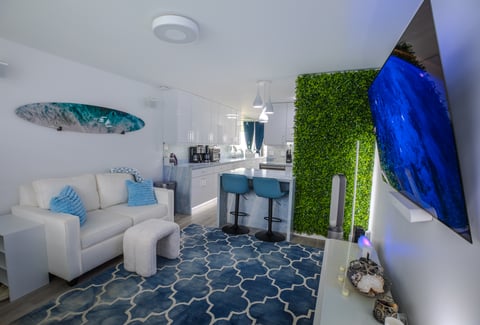
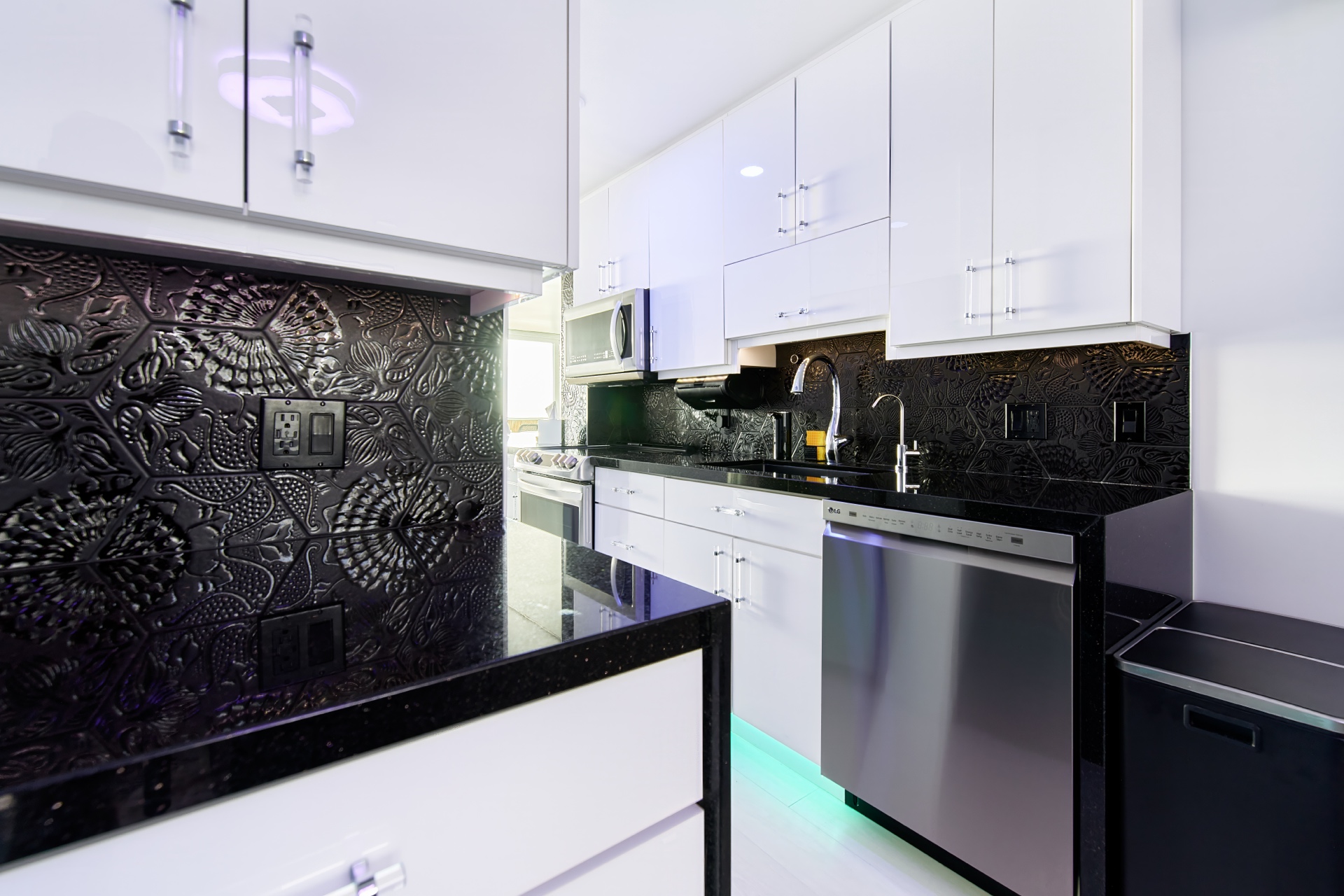 Island kitchen
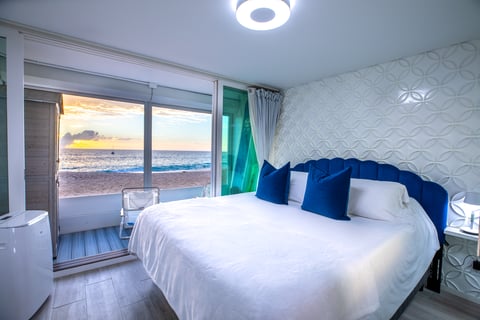 After dark
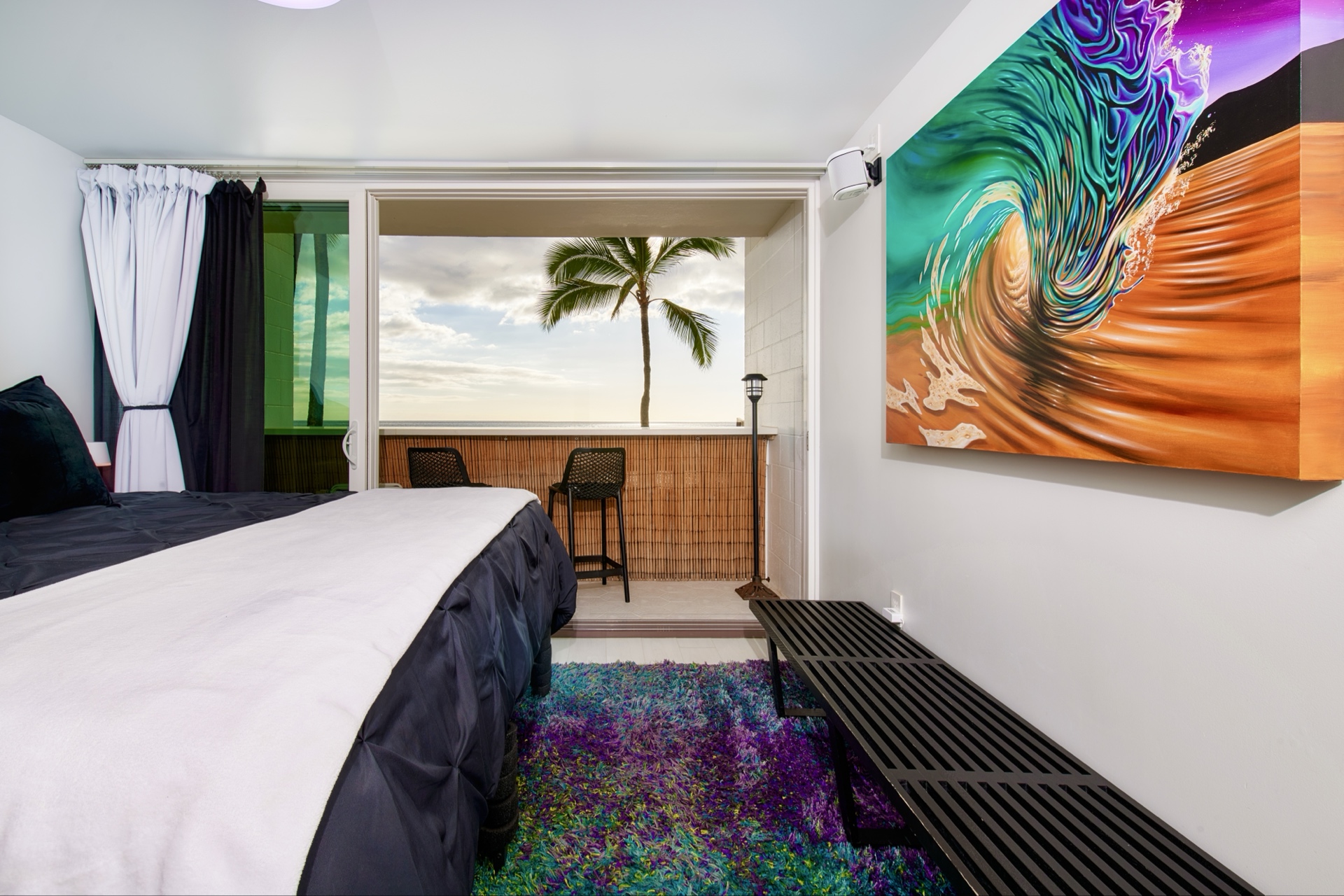 Art & ocean
 Surf culture
Wildlife at Your Doorstep
The waters off the West Side are teeming with life. Spinner dolphins are regular visitors to the bay, often visible right from the beach. Green sea turtles bask on the sand. And from December through April, humpback whales migrate through these waters, breaching, tail-slapping, and singing their ancient songs just offshore.
Spinner Dolphins
Pods of 50–200 dolphins frequent the bay year-round. Watch them from the beach or join a tour from Waianae Harbor, just 5 minutes away.
Humpback Whales
December through April, humpback whales migrate to Hawaiian waters. The West Side offers some of the best whale watching on O'ahu.
Sea Turtles
Hawaiian green sea turtles (honu) are a daily sight on West Side beaches. They bask on the sand and swim in the shallows.
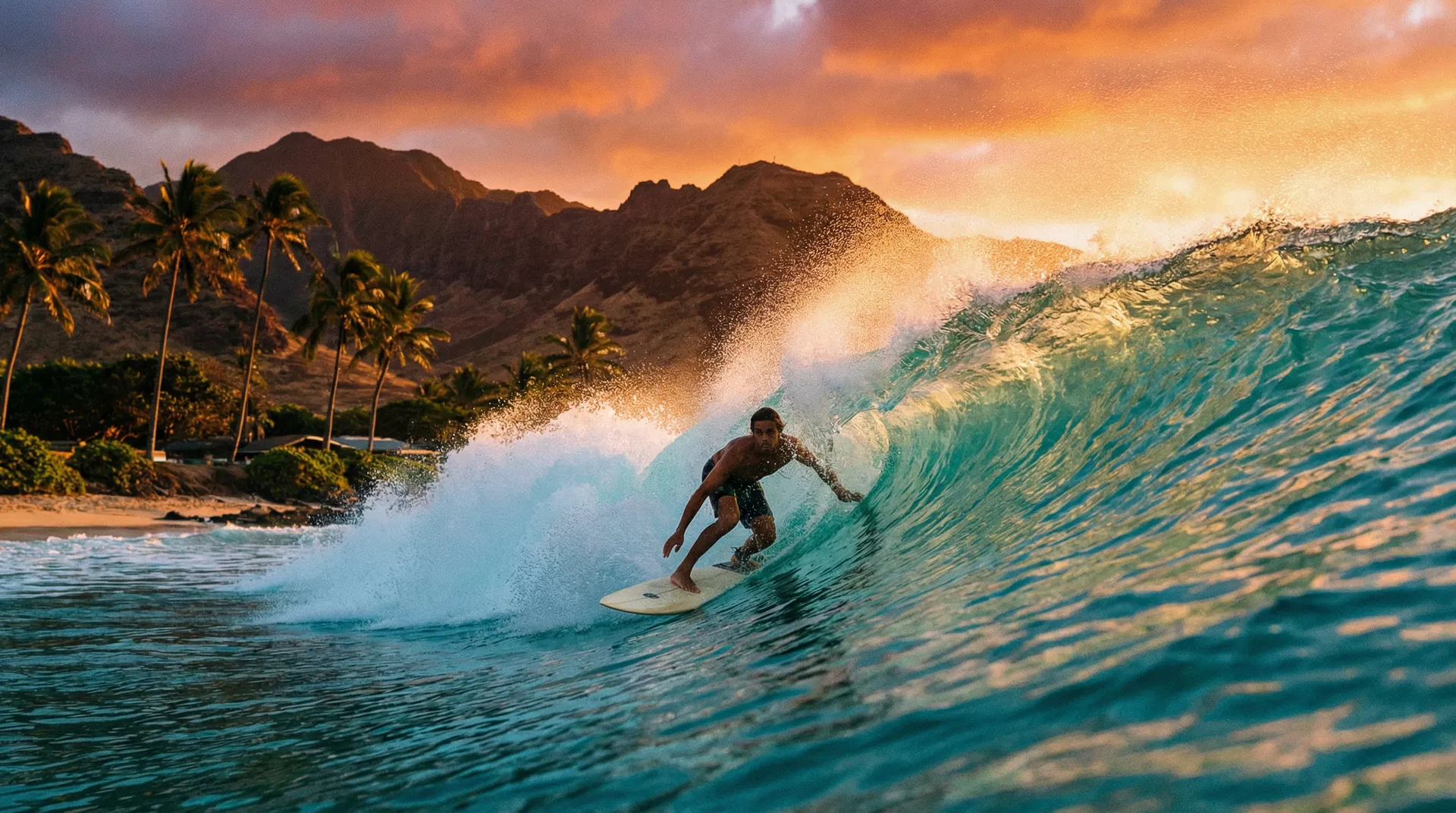
Mountains That Touch the Sky
The Waianae Mountains are the oldest volcanic range on O'ahu, rising over 4,000 feet directly behind Mākaha. Their dramatic ridgelines, lush valleys, and hidden waterfalls create a backdrop that makes every moment feel cinematic. The Mauna Lahilahi trail, right next door to Mākaha Beach Cabanas, offers a short but spectacular coastal hike with 360-degree views of the ocean and mountains.
Experience It for Yourself
No amount of words or photos can capture what it feels like to stand on Paponeone Beach at sunset. You have to be here.